Acupuncture for Back Pain: What the Evidence Shows
Reviewed by Jessica Ruth Shepard, Holistic Health Coach & Bodywork Practitioner
Disclaimer: This article is for education, not medical advice. Talk to a qualified healthcare professional before making health decisions. Heallist doesn't provide medical services or verify practitioners.
Back pain affects millions of people worldwide and is one of the leading causes of disability. If you're looking for a non-drug approach to pain management, acupuncture may be worth considering. Research suggests that acupuncture can help reduce chronic back pain, improve physical function, and complement treatments like physical therapy and exercise. While it isn't a cure-all, many people find it to be a valuable part of a comprehensive care plan.
Why Are More People Considering Acupuncture for Back Pain?
Whether your pain began after an injury, years of sitting at a desk, repetitive movements, or developed without an obvious cause, back pain can significantly impact your quality of life. Simple activities like getting out of bed, driving, exercising, or even sitting through a workday may become uncomfortable.
Acupuncture has become one of the most widely researched complementary therapies for chronic back pain. While medications and surgery are appropriate in some cases, many people are also looking for conservative, non-invasive approaches that address pain without relying solely on medication.
Originating from Traditional Chinese Medicine (TCM), acupuncture involves inserting very thin, sterile needles into specific points on the body. Today, many licensed acupuncturists integrate traditional principles with modern knowledge of anatomy and pain science to help support recovery and improve quality of life.
According to the National Center for Complementary and Integrative Health (NCCIH), acupuncture is one of the most commonly used complementary health approaches for chronic pain, including low back pain.
What Does the Research Say About Acupuncture for Back Pain?
One of the reasons acupuncture continues to gain attention is because it has been studied extensively.
Over the past two decades, numerous clinical trials and systematic reviews have evaluated whether acupuncture can help people living with chronic back pain. While individual results vary, the overall evidence is encouraging.
Research suggests acupuncture may help:
- Reduce chronic low back pain
- Improve mobility and physical function
- Increase quality of life
- Reduce pain intensity
- Support recovery alongside physical therapy
- Help some individuals decrease their reliance on pain medication
Importantly, acupuncture tends to work best as part of a broader treatment plan rather than as a standalone solution.
In fact, the American College of Physicians (ACP) recommends non-drug therapies—including acupuncture—as one of the first treatment options for chronic low back pain before considering medication whenever appropriate.
How Might Acupuncture Help Reduce Back Pain?
Researchers continue to study exactly how acupuncture works, but several biological mechanisms have been identified.
Rather than affecting just one system, acupuncture appears to influence multiple processes involved in pain regulation.
Supporting Natural Pain Relief
Needle stimulation may encourage the release of endorphins, serotonin, and other naturally occurring chemicals that help regulate pain perception and promote a sense of wellbeing.
Reducing Muscle Tension
Back pain often causes muscles to tighten in response to discomfort. Acupuncture may help relax these muscles, improving movement and reducing stiffness.
Influencing the Nervous System
Studies suggest acupuncture may help regulate how the brain and spinal cord process pain signals, potentially decreasing pain sensitivity over time.
Improving Circulation
Some research indicates acupuncture may increase local blood flow around affected tissues, supporting the body's natural healing response.
Although researchers continue to investigate these effects, most experts believe acupuncture works through several interconnected biological mechanisms rather than a single explanation.
Which Types of Back Pain May Benefit Most?
Not every type of back pain has the same cause.
Acupuncture is commonly used to support people experiencing:
- Chronic low back pain
- Muscle tension
- Mechanical back pain
- Neck and upper back pain
- Sciatica
- Arthritis-related discomfort
- Recovery following musculoskeletal injuries
If your back pain is sudden, severe, follows significant trauma, or is accompanied by symptoms such as fever, unexplained weight loss, numbness, or loss of bladder or bowel control, seek immediate medical evaluation before pursuing complementary therapies.
"The body is not something to fight against or fix, but something to understand. When we slow down, listen to the messages our bodies are sending us, and offer intentional support, we can begin to move toward greater balance."
— Melissa Coburn
Clinical Herbalist
What Happens During an Acupuncture Session?
If you've never experienced acupuncture before, it's natural to wonder what treatment feels like.
Fortunately, most first appointments are relaxed and conversational.
Initial Consultation
Your practitioner will ask about:
- your symptoms
- when the pain began
- previous injuries
- lifestyle habits
- sleep quality
- stress levels
- medical history
- current treatments
Understanding the bigger picture helps them develop a personalized treatment plan.
Treatment
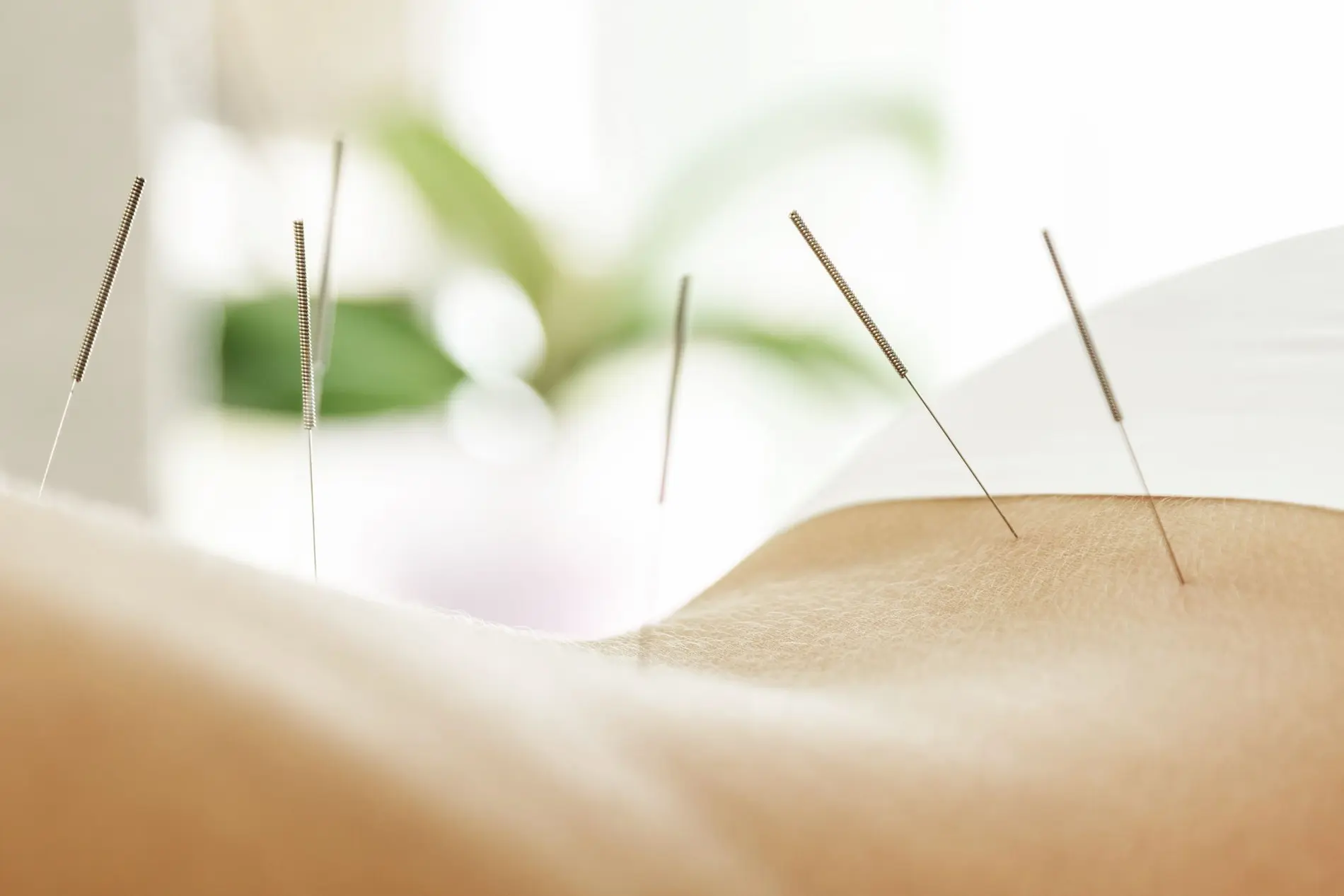
You'll lie comfortably on a treatment table while the practitioner inserts sterile, single-use needles into carefully selected acupuncture points.
Most people describe the sensation as:
- a tiny pinch
- tingling
- warmth
- heaviness
- mild pressure
The needles are much thinner than those used for injections, and many clients are surprised by how comfortable the treatment feels.
Needles typically remain in place for about 20 to 30 minutes while you rest in a quiet environment.
After Your Appointment
Some people notice relief immediately.
Others experience gradual improvement over several treatments.
You may feel:
- more relaxed
- less stiff
- increased mobility
- decreased pain
- pleasantly tired afterward
Your practitioner may also recommend stretching, movement exercises, hydration, or lifestyle adjustments between visits to support your progress.
Is Acupuncture Safe?
When performed by a licensed practitioner using sterile, single-use needles, acupuncture is considered very safe.
Minor side effects may include:
- temporary soreness
- light bruising
- mild fatigue
- slight bleeding where needles were inserted
Serious complications are uncommon when acupuncture is provided by qualified professionals.
The World Health Organization (WHO) recognizes acupuncture as one of many traditional and complementary medicine practices used around the world and supports integrating evidence-informed complementary care into person-centered healthcare where appropriate.
How Many Acupuncture Sessions Will You Need?
The number of sessions varies depending on several factors, including the cause and severity of your back pain, your overall health, and your treatment goals.
For acute pain, some people notice improvement after just a few sessions. Chronic or long-standing pain often requires a series of treatments over several weeks before significant changes become apparent.
Your acupuncturist may recommend an initial treatment plan and adjust it based on how your symptoms respond. Regular communication about your progress helps ensure your care remains personalized and effective.
When Should You See a Medical Professional First?
While acupuncture can be a valuable part of a back pain treatment plan, it isn't appropriate for every situation.
Seek immediate medical attention if your back pain is accompanied by:
- Loss of bladder or bowel control
- Significant numbness or weakness in your legs
- Fever or unexplained weight loss
- Severe pain following a fall, accident, or injury
- Pain that continues to worsen despite treatment
These symptoms may indicate an underlying condition requiring prompt medical evaluation.
For ongoing, non-emergency back pain, your healthcare provider can help determine whether acupuncture is an appropriate complementary therapy for your situation.
Final Thoughts
Back pain can affect every aspect of daily life, but it doesn't always require a single solution. For many people, acupuncture offers a safe, evidence-informed option that may help reduce pain, improve mobility, and support recovery when combined with other healthy habits and medical care.
Although results vary from person to person, research continues to support acupuncture as one of the most studied complementary therapies for chronic low back pain. Working with a qualified practitioner and maintaining open communication with your healthcare providers can help you develop a treatment plan that's tailored to your individual needs and goals.
If you're exploring conservative, non-invasive options for managing back pain, acupuncture may be a valuable addition to your wellness journey.
The Heallist Perspective: Lasting Relief Often Comes From a Whole-Person Approach
At Heallist, we've seen that successful pain management rarely comes from a single therapy alone. People living with chronic back pain often experience the best outcomes when treatment addresses not only the physical symptoms but also movement patterns, stress, sleep quality, and overall wellbeing.
Acupuncture can play an important role within an integrative care plan, especially when paired with supportive approaches such as Physical Therapy, Chiropractic Care, Massage Therapy, Yoga Therapy, Somatic Therapy, Functional Medicine, Nutrition Coaching, or Mindfulness. Rather than focusing only on pain reduction, many practitioners help clients build healthier movement habits and improve resilience over time.
Finding a practitioner who listens carefully, understands your goals, and collaborates with your existing healthcare team can make a meaningful difference in your recovery journey.
FAQs
Does acupuncture really work for back pain?
Research suggests acupuncture may help reduce chronic low back pain and improve physical function for many people. While individual results vary, organizations such as the American College of Physicians recommend acupuncture as one of several non-drug treatment options for chronic low back pain.
Is acupuncture painful?
Most people report very little discomfort. The needles are extremely thin, and you may feel a brief pinch, tingling, warmth, or mild pressure rather than pain.
How long does it take to see results?
Some people experience relief after one or two sessions, while others notice gradual improvements over several weeks. Chronic conditions often require multiple treatments.
Can I combine acupuncture with physical therapy or chiropractic care?
Yes. Acupuncture is commonly used alongside physical therapy, chiropractic care, exercise programs, and other conventional or complementary treatments. Always let each provider know about the therapies you're receiving so your care can be coordinated.
Looking for Acupuncture Support for Back Pain?
Whether you're dealing with chronic low back pain, muscle tension, or discomfort that's limiting your daily activities, finding the right practitioner is an important first step. Explore trusted acupuncturists on Heallist offering personalized care to help you move more comfortably and support your long-term wellbeing.
→ Find an Acupuncturist on Heallist

