Expert Q&A: Learning herbalism with KhadiYah Preciado
Reviewed by Yuli Ziv, Founder & CEO of Heallist
The following interview is a transcript excerpt from The Heallist Podcast episode. Listen to the full audio version or watch the video below and subscribe to get notified of new episodes.
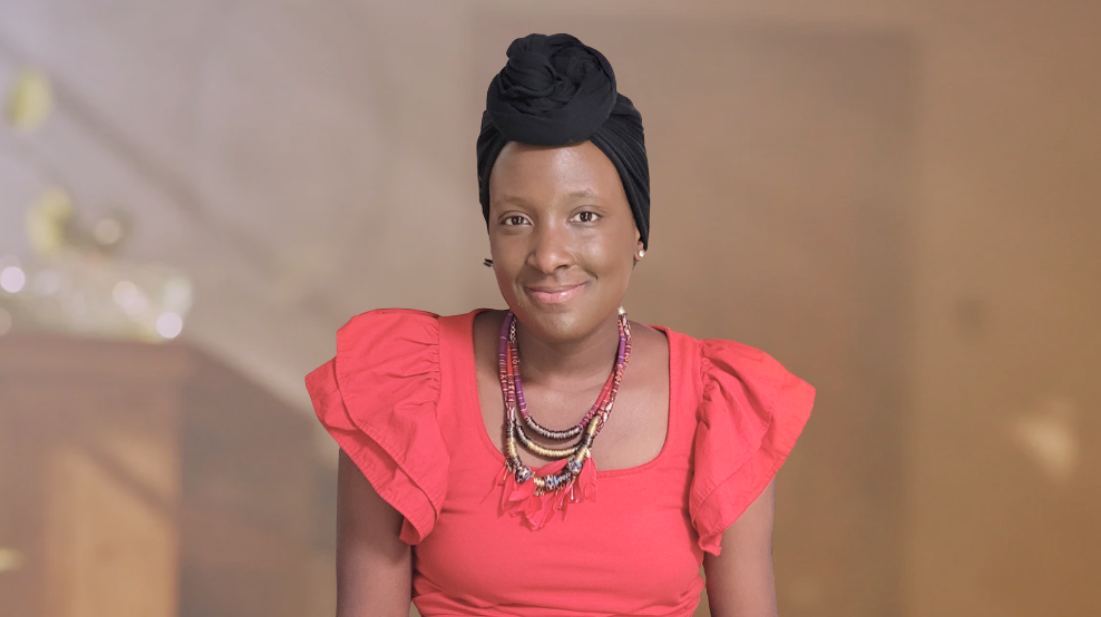
In this latest episode of the Heallist Podcast, founder of Yah's Apothecary and herbal expert KhadiYah Preciado, discusses the rich history and healing properties of herbalism. She explores the importance of kitchen herbs, the misconceptions surrounding herbal remedies, and the role of herbalists in modern health. KhadiYah also shares her personal experiences with herbs, particularly dandelion, and emphasizes the need for patience and understanding in herbal healing. The conversation highlights the growing popularity of herbalism and encourages listeners to reconnect with nature's healing power.
Science, Evidence, And Plant-Derived Medicine
KhadiYah Preciado: For many plants, the studies have pretty much stopped because it's much more profitable to serve a drug. Even though the drugs themselves may cost a little bit, like insulin, when it goes on the shelves, it can be, and depending on where you live, actually depends on the price too. In the US, you can pay thousands of dollars. And so it's not profitable. It's not something you can patent and you can't own in that way, and so it's much easier for the benefit of which the medical industry now has to act for profit. So it's not as empowering to tell you to go pick up a $2 pack of seeds and grow something and then actually not have to come back as often for every little thing.
A lot of our traditional herbs that we have in the kitchen have been studied extensively. Thyme– there's different studies on those types of plants, basil, etc. And then there's also studies on adaptogens. Those are some of our most studied herbs. The studies aren't as much. And when they do study, a lot of times it's based on just a chemical compound, but not actually the way that a person would drink a tea. For those who are very science-based, it can seem like there's not that much evidence.
One of the main things that I always share is that a lot of the medicines that we have actually are derived from plants. And so the ones that we hear all the time: aspirin is derived from salicylic acid that is found in like willow bark, or foxglove is where we get some of our heart medications. Birth control also came from a plant called wild yam.
When you think about these things, the scientists knew that the plants had these effects, but it just looks differently when you're choosing herbalism. It won't act the same as a medication because now it's just one part of the plant and one isolated chemical from the plant. But the other part about that is you may have a quicker result or more of a reliable result, but there's also more side effects that now come because the plant was meant to come with all of these different compounds and now you're having one. And if you have one thing in isolation, that often can lead to problems. I think it's a perfect harmony of understanding your body and being more empowered about your healing and having all the different choices at your disposal.
Dandelion For Liver, Skin, And Cycle
Yuli Ziv: What is one herb that surprised you with its qualities? Maybe you gave to your client who I'm really amazed by the results.
KhadiYah Preciado: I would say dandelion. Now, dandelion is one where it's cliche. You hear herbalists talk about how wonderful it is. But for me, it was really powerful because that unlocked and let me know that I actually could heal the long-term issues that I had. Just to backtrack, I had absent periods for over a decade and doctors couldn't tell me what was wrong. A lot of people were like, why is that a problem? You're not having as many periods. It was a wonderful thing. But I knew long term that it wasn't because infertility or bad quality eggs, all of those different things are what was going on.
I looked into what the root issue was, and I knew that I was born at 30 weeks. I had constipation, all these things that were saying that my liver needed to be restored. So I tried dandelion root and I committed to it for 30 days. And in 30 days, I actually found out for the first time how long my periods were. I was never able to have a calendar or do the normal things that came along with women in menstruation. And so, that let me know that anything was possible and that I was a true believer that herbs work. So it is something that everyone should try and really see. It's used for all types of things like edema for water retention, you can see water weight just fall off the skin. I also struggle with acne-prone skin. And so, to be able to see all the different ways that one plant was able to help me, it's amazing that one plant can touch on so many parts of the body.
You can grow dandelions. You would just take the plant, wash it off. I particularly use the roots and those are more geared towards the liver, whereas the leaves are more for the kidney issues. And I put them and boil in the tea. Now, some people also roast them in the oven and it gives more like a coffee flavor when you roast them. And if you're a coffee lover, you can try some dandelion root tea and you can add whatever you want. It's really simple: you can boil them for about 20 minutes. If you dice it up pretty thin, then you can just have it in your tea as normal and just let it steep for about 15 minutes or so.
What Working With An Herbalist Looks Like
KhadiYah Preciado: A lot of times, clients are going to the doctor and maybe not getting the results that they want. So maybe they're told they couldn't find anything. Because for some people, it's not going to show up on a blood test, or you might have the right numbers. It might look good on paper, but you're still saying something's wrong. I had a lot of clients who were at the last rope. Some people were sent home from hospice and they were told that there was nothing they could do for them. So that's unfortunate, but I encourage a person to come before it gets to that because it's going to be better for you and then better for the herbalist that's working with you.
When you come to an herbalist, it is very similar to going to a doctor's office. You would typically start with some type of paperwork on your health history so they get to know more about you. The main difference that you'll see is when you're talking, you're talking to the actual herbalist who is gonna prepare something for you, whereas when you go to a doctor's office, you usually spend more time with the nurse telling them. And then the nurse will give the notes, and a doctor might spend five minutes. But with your herbalist, it’s usually 30 minutes or even an hour. You have time to really talk about the issue and you're able to ask the questions there. You also are able to follow up. It's much more of an intimate process.
Let's say you come in for an issue. When you're with an herbalist, you can talk about all the different issues, and we are actually interested in that because all of that tells us more about what your lifestyle requires or what other issues might be going on. So it's not just about one thing. We want to help you to come back and be whole. That's the main difference is that we kind of walk you through the process. For me, I give the handouts like you might get at the doctor's office, and I explain about the different herbs and explain why I recommended it. So I try to really walk people through it because a lot of times it is something new. I tell you how to prepare it, I even give the recipe. When someone comes to me for help, I make them their own recipe and I give it to them. So if they want to go and now buy the herbs and make it themselves, I encourage that.
With herbalists, we really want our clients to be empowered to have a relationship with plants and for it to continue throughout the rest of their life. I don't want them to always feel like they have to come back every single time they have a problem. I would really want to give them knowledge to be able to find answers on their own because you are with yourself 24 hours of the day. You know your body the best.
Revival of Herbalism in the Holistic Space
Yuli Ziv: Do you find that herbalism in general is becoming more widely acceptable, popular? What do you see from your perspective, from doing it for years? What is happening today with this modality?
KhadiYah Preciado: Herbalism is becoming more known. I wouldn't say necessarily more respected. I think that a lot of times people are just looking for in a new outlet. And so what I see is I call it modern herbalism of today, where it's the same as modern medicine, but just with herbs instead. That's why I try to encourage more of the relationship we used to have with plants, where it was just more common knowledge and people understood where the plants come from.
What I would like to see is people adopting a more holistic mindset. Everyone says holistic, but a lot of times people can't tell you what holistic is or tell you what it looks like. We need something new. And so that's where we are. We're right at the turning point, and that's why society is really needing something, and it's a perfect opportunity for herbalism to kind of be reintroduced with new eyes to everyone.
Want to work with a practitioner like the one featured in this episode?
Search the Heallist directory by modality, location, or virtual availability — and explore support that aligns with your needs.
→ Find a Practitioner on Heallist