Creative Healing
What is Creative Healing? Discover the benefits, what a session feels like, how long it lasts, and how to find a Creative Healing practitioner near you or online.
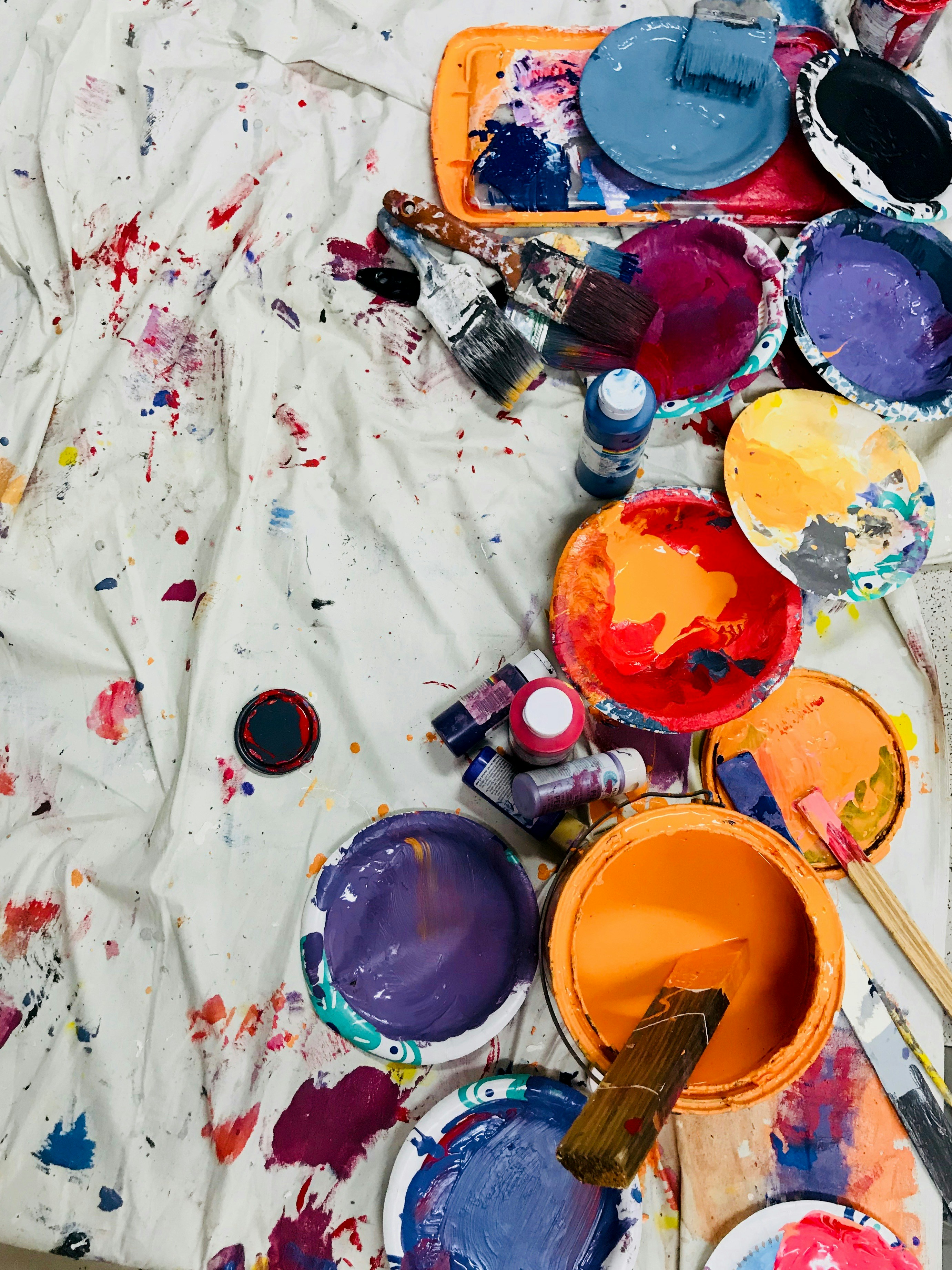
Creative Healing is a holistic approach that uses imagination and artistic expression — drawing, painting, storytelling, movement, and visualization — to support emotional, mental, and physical well-being, drawing on the therapeutic ideas of figures like Florence Nightingale and Carl Jung. Sessions run through guided creative exercises followed by reflection and dialogue, in person or virtually. It's used for anxiety, depression, trauma, grief, and emotional blockages, and is adaptable for children, adults, and seniors.
Creative Healing incorporates artistic expression and mindfulness. The practice often involves activities such as drawing, painting, storytelling, movement, and visualization to unlock the body’s innate ability to heal itself. Creative Healing is grounded in the belief that the creative process can release trapped emotions, foster self-awareness, and promote a sense of balance.
The roots of Creative Healing can be traced to ancient traditions where art, music, and dance were integral to healing rituals. In modern times, the concept gained recognition through pioneers like Florence Nightingale, who acknowledged the therapeutic value of art in healthcare, and Carl Jung, who explored the use of creative expression in psychological healing. Over time, it has evolved into a structured practice, integrating elements of art therapy, somatic techniques, and energy work.
Who is Creative Healing for?
Creative Healing is for anyone seeking a holistic approach to personal growth, emotional release, or stress reduction. It is especially beneficial for individuals who struggle to articulate their feelings verbally or prefer a non-traditional approach to therapy. Children, adults, and the elderly can all benefit from this practice, as it is adaptable to various needs and abilities.
What is Creative Healing beneficial for?
- Anxiety
- Depression
- Trauma
- Stress
- Low self-esteem
- Emotional blockages
- Grief and loss
- Chronic pain
- PTSD (Post-traumatic stress disorder)
- Release mental and emotional blockages
- Enhance overall well-being
- Encourages self-exploration and emotional release
Who can practice Creative Healing?
Creative Healing can be practiced by certified therapists, holistic health practitioners, or individuals trained in expressive arts and energy work. While anyone can incorporate aspects of creative expression into their lives, professional practitioners typically undergo training in therapeutic techniques, psychology, and the use of art as a healing modality.
How can you choose the right practitioner for Creative Healing for you?
To choose a practitioner, look for someone with formal training in art therapy, energy healing, or a related field. It’s important to ensure they have experience working with your specific concerns. Reading reviews, asking for recommendations, and having an initial consultation can help determine whether their approach aligns with your goals and preferences.
What does a typical Creative Healing session look like?
A typical session begins with a discussion of the client’s goals and concerns. The practitioner may guide the client through creative exercises, such as drawing, journaling, or visualization, tailored to their needs. Sessions often include moments of reflection and dialogue to help process emotions and insights. The environment is typically calming, encouraging openness and exploration.
What does a virtual Creative Healing session look like?
In a virtual session, the practitioner may guide the client through creative exercises via video or audio. Clients are encouraged to have materials like paper, colors, or journals ready before the session. The practitioner provides prompts and feedback while creating a supportive virtual space for expression and healing. Virtual sessions can be highly effective, especially when adapted to the client’s home environment.
What can you expect after a session of Creative Healing?
After a session, individuals often feel a sense of release, clarity, and emotional balance. Many experience improved mood, reduced stress, and a deeper understanding of themselves. Over time, the practice can foster greater resilience, enhanced self-expression, and lasting emotional well-being. The effects can vary depending on individual goals and the frequency of sessions.
FAQs
How is Creative Healing different from Art Therapy?
Creative Healing is a broader practice that can include drawing, painting, storytelling, movement, and visualization, while Art Therapy specifically centers on visual art forms and is typically led by a therapist with a master's-level clinical credential.
Do I need artistic talent to benefit from Creative Healing?
No, the focus is on the creative process and emotional exploration rather than the technical quality of what you create.
What qualifications should a Creative Healing practitioner have?
Look for formal training in art therapy, energy healing, or a related field, along with experience addressing your specific concerns.
Is Creative Healing suitable for children?
Yes, it's adaptable for children, adults, and seniors, and can be especially helpful for those who struggle to express feelings verbally.
Can Creative Healing be done virtually?
Yes. The practitioner guides you through creative exercises over video or audio call, with clients preparing materials like paper, colors, or journals ahead of time.
Find a Creative Healing Practitioner on Heallist
Heallist connects you with Creative Healing practitioners offering virtual and in-person sessions worldwide. Browse profiles, compare services and availability, and book directly. Whether you're exploring Creative Healing for the first time or looking for a new practitioner, you can search the full Heallist directory to find the right fit.
Browse All Creative Healing Practitioners →
