What to Expect at Your First Breathwork Session: An Honest Guide
Reviewed by Jessica Ruth Shepard, Holistic Health Coach & Bodywork Practitioner
Disclaimer: This article is for education, not medical advice. Talk to a qualified healthcare professional before making health decisions. Heallist doesn't provide medical services or verify practitioners.
Your first breathwork session is an opportunity to explore intentional breathing in a safe, guided environment. Whether your goal is relaxation, stress management, or greater self-awareness, knowing what to expect can help you feel more prepared and confident before your first session. Trying breathwork for the first time can bring up a lot of questions. Will it simply feel like deep breathing? What if you become emotional? Is there a right way to do it? And perhaps the biggest question of all: What actually happens during a breathwork session?
The truth is that every breathwork experience is different because every person brings their own body, nervous system, and life experiences into the room. Some people leave feeling deeply relaxed, while others experience emotional release, renewed energy, or a greater sense of clarity. There is no single "correct" outcome.
Research suggests that structured breathwork may support stress reduction and mental wellbeing, although individual responses vary and the evidence continues to develop. A systematic review and meta-analysis of randomized controlled trials found that breathwork was associated with lower self-reported stress and improvements in anxiety and depressive symptoms compared with control conditions.
If you're searching for what to expect at your first breathwork session, this guide will walk you through the process—from preparing for your appointment to understanding common sensations, knowing when breathwork may not be appropriate, and choosing a facilitator you can trust.
What Is Breathwork?
Breathwork is the intentional practice of using breathing techniques to influence your physical, mental, and emotional state. Different styles of breathwork have different goals. Some emphasize relaxation and nervous system regulation, while others encourage deeper emotional exploration or expanded states of awareness.
A facilitator guides you through a specific breathing pattern while creating a safe environment for the experience. Sessions may also include meditation, music, gentle movement, or time for reflection afterward.
For beginners, the focus is rarely on "doing it perfectly." Instead, it's about becoming aware of your breath and noticing how your body responds.
Why People Try Breathwork
People come to breathwork for many different reasons.
Some are looking for a way to slow down after prolonged stress, while others are interested in building greater emotional awareness or developing healthier ways to regulate their nervous system.
The National Center for Complementary and Integrative Health (NCCIH) notes that relaxation practices, including intentional breathing techniques, may help support stress management and overall well-being when incorporated into a healthy lifestyle.
Research is beginning to support some of these uses. A 2023 systematic review and meta-analysis of randomized controlled trials found that breathwork was associated with lower self-reported stress compared with control conditions, while also finding improvements in anxiety and depressive symptoms. The researchers noted that the evidence is still developing and that many of the included studies had a moderate risk of bias.
Common reasons include:
- Managing everyday stress
- Feeling emotionally overwhelmed
- Supporting nervous system regulation
- Improving focus and mental clarity
- Building resilience during life transitions
- Creating a stronger mind-body connection
- Complementing an existing wellness routine
You don't need to have prior experience with meditation or yoga to benefit from breathwork. Many beginners start simply because they're curious.
The American Psychological Association (APA) highlights that healthy stress management strategies—including breathing exercises and mindfulness practices—can support emotional well-being and resilience as part of a broader self-care routine.
The body and mind hold an innate intelligence for restoration and self-healing.
C.A.D.L.P. (Certified Ayurvedic Doctor Level Practitioner); B.S.Psy; Dir of Rep ABT
Before Your First Breathwork Session
One of the best ways to prepare is to arrive with an open mind rather than specific expectations.
A few simple tips can help you feel more comfortable:
- Wear loose, comfortable clothing that allows you to breathe and move freely.
- Avoid eating a heavy meal immediately beforehand.
- Stay hydrated throughout the day.
- If attending virtually, choose a quiet, private space where you won't be interrupted.
- Give yourself a little time after the session before returning to a busy schedule.
Unlike a fitness class, breathwork isn't about performance. Your only job is to follow the facilitator's guidance as best you can and listen to your body.
What Happens During Your First Breathwork Session?
While every facilitator has their own style, most breathwork sessions for beginners follow a similar structure.
Getting to Know You
Your session will usually begin with a conversation.
Your facilitator may ask about:
- Your previous experience with breathwork
- Your goals for the session
- Any health conditions or injuries
- Medications you're taking
- Whether you've experienced anxiety, panic attacks, or significant life stress recently
This conversation helps them adapt the session to your individual needs.
Setting Intentions
Many facilitators invite participants to reflect on why they're attending.
Your intention doesn't have to be profound. It could be as simple as:
- "I'd like to feel more relaxed."
- "I want to quiet my busy mind."
- "I'm hoping to reconnect with myself."
Intentions simply provide a gentle focus for the experience.
Guided Breathing
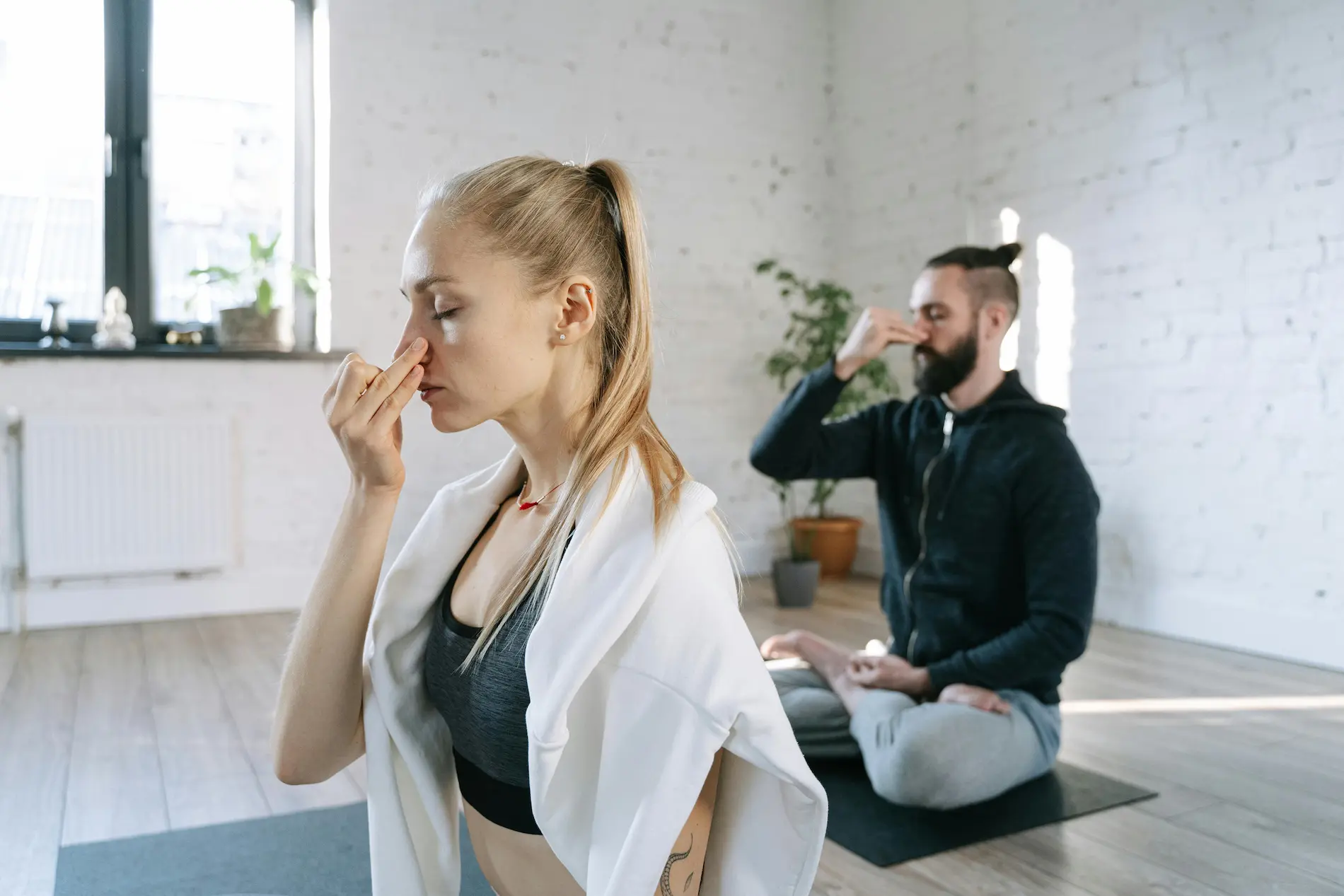
Once you're comfortable, the facilitator will guide you through a breathing pattern.
Depending on the style of breathwork, you may breathe:
- Through the nose
- Through the mouth
- At a slow, calming pace
- In a more continuous rhythm
The facilitator will explain the technique before you begin and offer guidance throughout the session.
Remember, this is your experience. If you need to slow down, pause, or rest, you should always feel comfortable doing so.
Rest and Integration
After the active breathing portion, most sessions include time for quiet rest.
This allows your body and nervous system to settle before you return to your day.
Some facilitators also invite participants to journal, reflect, or share their experience if they're comfortable doing so.
Pairing Breathwork With Other Holistic Modalities
Breathwork can be practiced on its own or alongside other holistic modalities, depending on your wellness goals.
For example:
- Reiki may deepen relaxation and promote a sense of calm.
- Somatic Therapy helps integrate body awareness and emotional regulation.
- Meditation complements breathwork by strengthening mindfulness and presence.
- Sound Healing is often paired with breathwork to create a calming, immersive experience.
- Nutrition Coaching supports healthy lifestyle habits that contribute to long-term wellbeing.
Many practitioners combine these approaches to create a personalized wellness experience. If you're unsure which modalities work well together, a qualified practitioner can help you choose an approach that aligns with your goals.
What Might You Feel During Breathwork?
One of the reasons people search for what to expect at a first breathwork session is because they've heard others describe powerful experiences.
While those experiences are possible, they're not guaranteed, nor are they the goal.
Some common sensations include:
- Warmth throughout the body
- Tingling in the hands or face
- Feeling lighter or heavier
- Emotional release
- Deep relaxation
- Increased awareness of thoughts or emotions
- A sense of calm or clarity
Some people notice very little during their first session, and that's completely normal too.
There's no "successful" breathwork experience. Every session is different.
Is Breathwork Right for Everyone?
Breathwork is generally well tolerated when guided by a qualified facilitator, but certain breathing techniques may not be appropriate for everyone.
Some forms of breathwork may require additional guidance or modifications for people with certain medical conditions, including cardiovascular conditions, uncontrolled high blood pressure, epilepsy, glaucoma, pregnancy, or some respiratory conditions.
If you have any existing medical concerns, it's important to speak with your healthcare provider and let your breathwork facilitator know before your session.
A qualified facilitator will explain whether the style of breathwork they're offering is appropriate for you or suggest modifications if needed.
Can Breathwork Be Done Online?
Yes. Many facilitators offer virtual breathwork sessions.
The structure is often very similar to an in-person class. You'll typically begin with a conversation, receive guidance throughout the breathing practice, and finish with time for rest and reflection.
Some people actually prefer online sessions because they feel more comfortable practicing in their own home.
Others enjoy the sense of connection that comes from attending an in-person class.
Both formats can be meaningful, depending on your preferences.
The Heallist Perspective: Finding the Right Breathwork Facilitator Starts with the Right Questions
Not all breathwork styles are the same, and neither are facilitators.
Before booking, consider:
- Their training and certifications
- The type of breathwork they practice
- Whether sessions are individual or group-based
- Their experience working with beginners
- Whether they explain contraindications and safety considerations
- Their communication style and approach
A trustworthy facilitator welcomes questions and helps you understand what to expect before the session begins.
The Wellness Concierge makes it easier to find practitioners whose specialties, experience, and approach align with what you're hoping to achieve.
Questions You Can Ask Before Booking
If you're unsure whether a session is right for you, consider asking:
- What style of breathwork do you teach?
- Is this session suitable for beginners?
- Are there any medical conditions I should tell you about?
- What happens if I need to pause during the session?
- Do you offer virtual as well as in-person sessions?
These questions can help you feel more informed and confident before your first class.
Final Thoughts
Your first breathwork session isn't about getting everything right. It's an opportunity to slow down, become more aware of your breath, and explore how intentional breathing can support your wellbeing.
Whether you choose a private session or a group class, online or in person, finding a facilitator who makes you feel safe and supported can make all the difference.
If you're ready to experience breathwork for yourself, explore the Heallist Network to discover qualified breathwork facilitators offering both virtual and in-person sessions. You can browse practitioner profiles, learn about their approach, and find someone who aligns with your comfort level and wellness goals.
Heallist Insight: Your First Session Is About Curiosity, Not Performance
Many people wonder whether they're "doing breathwork correctly." In reality, your first session isn't about achieving a specific outcome. It's about becoming more aware of your breath, learning how your body responds, and working with a facilitator who creates a supportive, comfortable environment where you can move at your own pace.
FAQs
How long does a first breathwork session usually last?
Most sessions last between 60 and 90 minutes, although some introductory classes may be shorter depending on the facilitator and format.
Is it normal to feel emotional during breathwork?
Yes. Some people experience emotional release during or after a session, while others simply feel calm or relaxed. Every experience is unique, and there is no expected outcome.
Can beginners attend any breathwork class?
Many breathwork sessions are beginner-friendly, but it's always a good idea to check with the facilitator beforehand. They can explain the style they teach and whether it's appropriate for your experience level and health history.
How do I know if breathwork is right for me?
If you're looking for a guided practice to support relaxation, stress management, emotional awareness, or a stronger mind-body connection, breathwork may be worth exploring. Before booking, speak with the facilitator about your goals, experience level, and any health conditions so they can recommend the most appropriate session for you.
Looking for a breathwork facilitator you can trust?
Explore experienced breathwork practitioners on Heallist offering virtual and in-person sessions. Compare approaches, learn about different breathwork styles, and find a facilitator who aligns with your wellness goals.
→ Find a Breathwork Practitioner on Heallist

