Expert Q&A: Emotional roots of physical symptoms with Rachel Reimer
Reviewed by Yuli Ziv, Founder & CEO of Heallist
The following interview is a transcript excerpt from The Heallist Podcast episode. Listen to the full audio version or watch the video below and subscribe to get notified of new episodes.
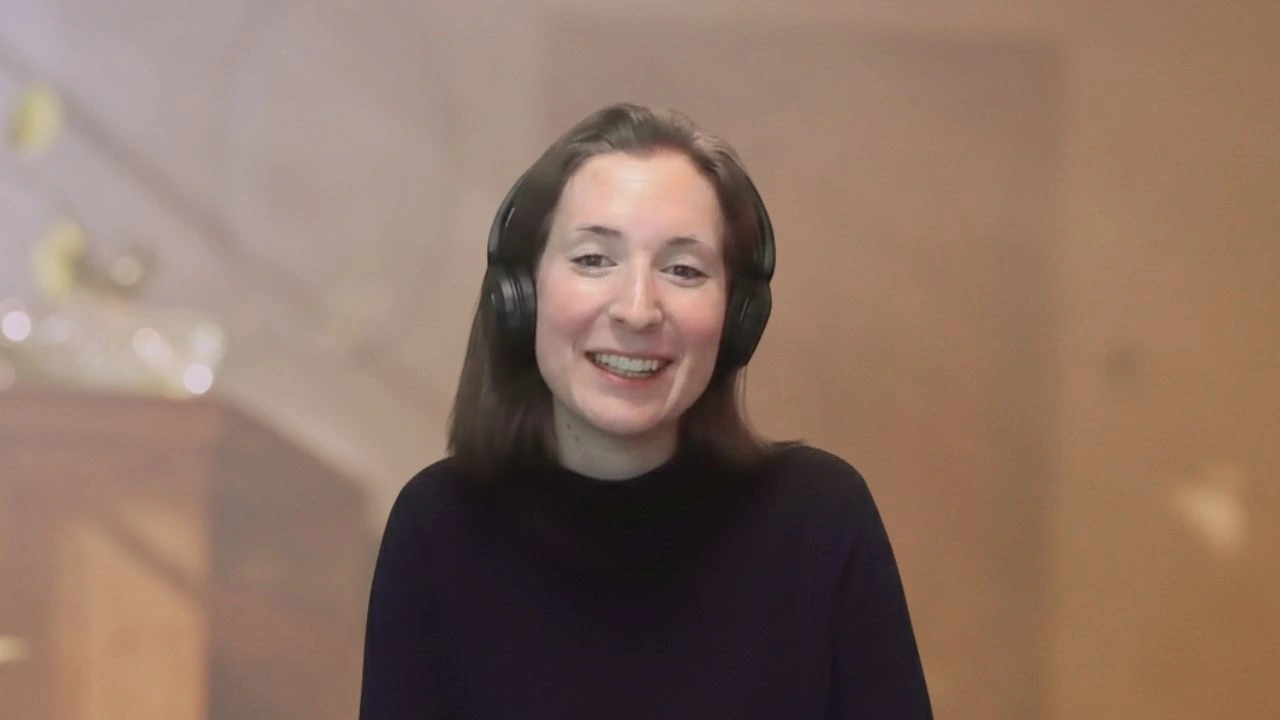
In this episode of the Heallist Podcast, we engage in a deep conversation with Rachel Reimer, a symptoms support coach, about the often-overlooked connection between emotions, beliefs, and physical health. We explore how unresolved emotional issues can manifest as chronic symptoms and the importance of addressing these emotional components in healing. Rachel shares her unique approach to uncovering emotional patterns, discusses case studies, and emphasizes the need for collaboration between emotional healing and traditional medicine. The conversation also touches on misconceptions about emotional healing, practical tools for self-awareness, and the significance of maintaining emotional health as part of overall wellness.
The Detective Method Explained
Rachel Reimer: A walkthrough of what my phone call with someone is: they present to me whatever they're struggling with. They have a diagnosis that's great. If not, that's workable too. And I let them tell me anything that they think is relevant because that's a large issue with any provider that you see, whether it's Western or Eastern. We just want to skip to the meat and potatoes. You really tell me anything that you think is necessary, big or small, doesn't matter. I sit with that information from an intellectual standpoint. If someone has X condition, it's probably this general emotional belief. So I'm going through some of that in my head as I'm listening to a case history. But then I'm also just taking a minute or two to just pause, connect with my higher power, and just let information come in, “How can I help this person right now? What information can you give me that I can pass on that would be helpful? How can I do that in a tactful way that they can process it and receive it well?” Half the battle is identifying it, but also being able to give the message in a productive form.
So after getting their case history, having a general intellectual understanding of what's going on and getting information, I present the information to someone in a very clear, concise way, “Based on what you've told me, it's likely related to X, Y, and Z. Can you help me out and fill in the blanks of what this may be? I'm thinking it's around this year or around this time frame, based off of what you told me and what I'm getting on my end, what comes up for you?” It's this very collaborative process until both of us go, “Ah, that's it.” It's this dual light bulb moment where we go, that's the unresolved stressor. That door was popped open and never shut.
We double check that by asking on a scale of zero to 10, with 10 being the most severe and zero being not at all. How much does this still emotionally bother you when you're thinking about it now that we've identified it? And it's normally a seven, eight, nine, ten. You're over it intellectually, but not emotionally. That's a really important piece with this work – you can try to talk yourself out of feeling a feeling all day every day. That doesn't mean it's gone away. There's something to resolve under the surface. The body's really good for that. It'll let you know no matter what, whether you want to know or not, that there's something going on that you need to make right with yourself.
From a fight, flight or freeze perspective, those emotions are normally in that freeze state. It's trying to go back in time and help the person understand that they're still stuck in that freeze state. And what do I need to know to get unstuck to actually move forward? I don't think it needs to be much more complex than that, that every human being has emotions. We all know something, we can all think about something that we're not okay with still. And it's just having a dedication to that awareness and actually working through it rather than stuffing it because it's so much easier to stuff it. I would so much rather take a drug or pop a pill than have to deal with this big scary thing. That's the general consensus among most people.
I have a high empathy level for people when we really get into that nitty-gritty, and I'm like, “Hey, this is it.” And they're like, “I don't want to touch that.” “Okay, here's your choice,” and really present it in a practical way: continue doing what you're doing, or deal with it. That's it. Because we like to get in denial and go, “well, there's a third option here. And if I just find another provider or I just find this specific treatment. That could help. And I advocate for physical treatments, I think they're very helpful, but that doesn't get rid of it. Just because it gets rid of your symptoms doesn't mean it solves it emotionally. It's going to show up somewhere else in your life if it's not in your body. It could be in your financial situation, your marriage, whatever it is. For your best benefit, I highly recommend that you deal with this. I don't have to be the messenger for you dealing with it, but I would really recommend you do.
Combining Functional and Intuitive Support
Rachel Reimer: I have a few functional medicine contacts and homeopaths of referral networks that I work with. And we refer back and forth as needed when appropriate for each individual person. And especially when someone's having chronic pain or complex issues from a naturopathic perspective, they have that ongoing hamster wheel of stress. I get referrals from a few naturopaths and functional medicine doctors in that capacity of “just help me stabilize this person so that I can really go in and do my thing.” That's something that I really love and adore.
Western medicine, they're very aware that there's that gap of “this is a stress thing and I don't know how to help them.” Over time, I would love to see a traditional counseling lens more with chronic and complex issues and diseases, that this is an actual specific field. During COVID when you had all the scary stuff on the news and you'd have people in the ICU, you're going to have a lot of stress and a lot of fear. And you're not regularly talking with someone one-on-one to help lower that. That's really to me the bread and butter: there's no emotional stability during points of high stress. It's going to be hard for your medicine to go in and do its thing. We're not able to figure out some kind of system for that.
My primary point is to always focus on making it not scary or weird, making it as palatable as possible. There doesn't have to be any weird things going on behind the surface. I am just sitting here listening to you as a human being, and I'm really dialed in and laser-focused on what exactly is your pain point that you're talking about. We hash it back and forth.
Relieving Physical Issues from Emotional Stagnation
Rachel Reimer: A zero looks like a factual statement. Very similar to “there's a tree outside, there's a rock outside.” We don't have any emotionally charged feelings about it. It's just like that's where it's at at that moment. So anytime that you notice that something's bothering you, there's something unresolved there. You're having unresolved, unfinished business to go back to and tend to and go, “what exactly is really bothering me here?” And sometimes, like in this example, it's like I didn't think the yard work was impacting me that much. And it's like, it's still stuck in the body. It's not a huge disease that's altering the course of your life by any means necessary, but there's a connection there. And when we have unresolved stuff, it gets stuck in there. That's why it's important to do maintenance check-ins with a therapist, even just journaling about several different elements of life and having that awareness.
Want to work with a practitioner like the one featured in this episode?
Search the Heallist directory by modality, location, or virtual availability — and explore support that aligns with your needs.
→ Find a Practitioner on Heallist

